
Call: 08037736578
 Send Inquiry
 Send Inquiry
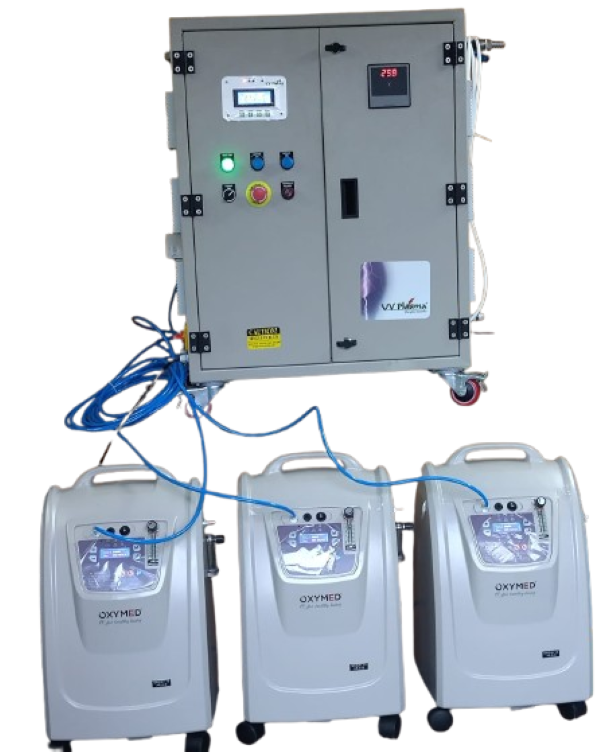
Ozone generator
Price 15000.00 INR/ Number
MOQ : 1 Number
Ozone generator Specification
- Application
- Room/area disinfection
- Installation Type
- Portable
- Filtration Property
- Other
- Equipment Type
- Other
- Features
- Sturdy handle, AC plug
- Material
- Powder Coated Metal Body
- Energy Consumption
- Low Watt Hour (Wh)
- Color
- Red/Black with white panel
- Output
- 5,000-20,000 mg/hr (model dependent)
- Maintenance Type
- Low maintenance
- Connectivity Type
- None (standalone)
- Ventilation
- Fan based L/s
- Automatic Grade
- Semi-Automatic
- Capacity
- 0.2 T/hr
- Power
- 220 Volt (v)
- Voltage
- AC 220-240V / 50Hz Volt (v)
- Dimension (L*W*H)
- 300L 270W 205H Inch (in)
- Coverage Area
- Up to 2,000 sq. ft.
Ozone generator Trade Information
- Minimum Order Quantity
- 1 Number
- Payment Terms
- Cash in Advance (CID)
- Supply Ability
- 10 Per Month
- Delivery Time
- 7 Days
- Main Domestic Market
- All India
Ozone generator About
Ozone Generator System
Introduction
An Ozone Generator System is an advanced water and air treatment technology that produces ozone (O), a highly powerful oxidizing agent, for effective disinfection, oxidation, deodorization, color removal, and purification. Ozone is widely recognized as one of the strongest commercially available oxidants, with an oxidation potential of 2.07 volts, making it significantly more effective than chlorine for eliminating microorganisms and oxidizing organic and inorganic contaminants.
Ozone is generated on-site from oxygen or dry air and rapidly decomposes back into oxygen without leaving harmful chemical residues. This makes ozone treatment an environmentally friendly and sustainable solution for water purification, wastewater treatment, food processing, pharmaceuticals, beverage production, swimming pools, cooling towers, aquaculture, and industrial process applications.
Due to its exceptional oxidation capability, ozone effectively destroys bacteria, viruses, fungi, algae, spores, protozoa, and biofilms while improving water quality by removing color, odor, taste, iron, manganese, hydrogen sulfide, pesticides, phenols, and various dissolved organic compounds.
Working Principle
An ozone generator produces ozone by converting oxygen (O) into ozone (O) using a Corona Discharge (CD) or Ultraviolet (UV) process. Industrial systems primarily use corona discharge technology because of its higher ozone production efficiency.
The process consists of the following steps:
Ambient air or oxygen is supplied to the ozone generator.
The feed gas is dried to achieve a low dew point, improving ozone generation efficiency.
A high-voltage electrical discharge splits oxygen molecules into individual oxygen atoms.
The oxygen atoms combine with oxygen molecules to form ozone (O).
The ozone gas is injected into water or air through venturi injectors, static mixers, fine bubble diffusers, or ozone contact tanks.
Ozone reacts rapidly with microorganisms and contaminants, oxidizing and destroying them.
Excess ozone naturally decomposes into oxygen, leaving no residual chemicals.
Major Components of an Ozone Generator System
A complete ozone generation system typically includes:
Air Compressor or Oxygen Concentrator
Air Dryer (Heatless or Refrigerated)
Air Filters
Corona Discharge Ozone Generator
High Voltage Power Supply
Ozone Reactor Cell
Cooling System (Air or Water Cooled)
Ozone Injection System
Venturi Injector
Static Mixer
Contact Tank
Ozone Destruction Unit
Off-Gas Destructor
Ozone Analyzer (Optional)
ORP Controller
PLC or Microprocessor-Based Control Panel
Flow Meter
Pressure Gauges
Safety Interlocks
Ozone Generation Technologies
Corona Discharge (CD)
Corona discharge is the most widely used technology for industrial ozone generation.
Features include:
High ozone concentration
High efficiency
Low operating cost
Continuous operation
Suitable for large-capacity systems
Long service life
Ultraviolet (UV) Ozone Generation
UV ozone generators produce ozone using ultraviolet radiation.
Typical applications include:
Laboratory equipment
Small water systems
Air purification
Domestic applications
Industrial installations generally prefer corona discharge technology due to its higher ozone output and superior efficiency.
Construction Materials
Ozone is highly reactive and requires ozone-resistant materials.
Common materials include:
SS316L Stainless Steel
PTFE (Teflon)
PVDF
Glass
Quartz
Ceramic
Viton Seals
EPDM (specific grades)
Silicone Tubing (ozone resistant)
Typical Operating Parameters
Ozone Concentration (Air Feed): 1030 g/Nm
Ozone Concentration (Oxygen Feed): 60200 g/Nm
Feed Gas: Dry Air or Oxygen
Cooling Method: Air or Water
Operating Temperature: 5C to 40C
Relative Humidity: Low moisture preferred
Power Supply: 230 V or 415 V AC (depending on capacity)
Features
High disinfection efficiency
Chemical-free treatment
Strong oxidizing capability
Automatic operation
Compact skid-mounted design
Low maintenance
Continuous operation
Fast microbial inactivation
Removes taste, odor, and color
Oxidizes iron and manganese
Improves water clarity
Environmentally friendly
No chemical storage required
PLC and SCADA compatibility
Modular design for future expansion
Advantages
Ozone treatment offers numerous benefits over conventional disinfection methods.
Eliminates bacteria, viruses, fungi, algae, and protozoa.
Effective against chlorine-resistant microorganisms.
Oxidizes dissolved organic contaminants.
Removes unpleasant taste and odor.
Decolorizes water.
Oxidizes iron, manganese, and hydrogen sulfide.
Reduces COD and BOD in wastewater.
Improves dissolved oxygen after decomposition.
Leaves no harmful chemical residue.
Eliminates the need for transporting and storing hazardous chemicals.
Reduces chemical consumption in downstream processes.
Enhances filtration performance.
Provides rapid oxidation with short contact time.
Eco-friendly and sustainable technology.
Maintenance
Routine maintenance includes:
Cleaning dielectric tubes
Inspecting corona cells
Replacing air filters
Maintaining air dryer performance
Checking cooling systems
Verifying ozone output
Cleaning venturi injectors
Inspecting electrical connections
Calibrating ozone analyzers and ORP sensors
Servicing the ozone destruction unit
Proper preventive maintenance ensures stable ozone production and extends equipment life.
Applications
Drinking Water Treatment
Municipal drinking water
Community water supply
Bottled drinking water
Mineral water plants
RO feed water polishing
Final disinfection
Food & Beverage Industry
Bottled water
Beverage manufacturing
Juice processing
Dairy processing
Breweries
Soft drink production
Fruit and vegetable washing
Food processing water
Pharmaceutical Industry
Purified water systems
Water storage tank sanitization
Distribution loop disinfection
Process water
Cleanroom sanitation
CIP water treatment
Industrial Water Treatment
Process water
Cooling water
Boiler makeup water pretreatment
Utility water
High-purity water systems
Wastewater Treatment
Industrial effluent treatment
Municipal sewage treatment
Color removal
COD reduction
BOD reduction
Odor control
Water reuse and recycling
Zero Liquid Discharge (ZLD) pretreatment
Swimming Pools
Pool water disinfection
Spa water treatment
Water parks
Recreational water systems
Cooling Towers
Biofilm control
Algae removal
Legionella prevention
Microbial control
Scale reduction support
Aquaculture
Fish hatcheries
Marine farming
Recirculating aquaculture systems (RAS)
Pond water treatment
Hotels and Commercial Buildings
Potable water treatment
Water storage tank disinfection
Cooling tower treatment
Decorative fountains
Textile Industry
Color removal
Dye wastewater treatment
Process water purification
Paper and Pulp Industry
Bleaching support
Color reduction
Wastewater treatment
Chemical Industry
Oxidation processes
Process water treatment
Wastewater polishing
Air Treatment Applications
Ozone generators are extensively used for:
Odor removal
Air purification
Smoke removal
Mold control
Cold storage sanitation
Food storage rooms
Hotels
Hospitals
Laboratories
Pharmaceutical clean areas
Industrial exhaust treatment
Factors Affecting Ozone Performance
The effectiveness of an ozone system depends on:
Feed gas quality
Air dryness (dew point)
Oxygen concentration
Contact time
Water temperature
pH
Organic contaminant load
Turbidity
Reactor design
Ozone transfer efficiency
Mixing efficiency
Residual ozone concentration
Proper pretreatment, such as multimedia filtration, activated carbon filtration, or ultrafiltration, improves ozone performance by reducing suspended solids and organic loading.
Safety Considerations
Because ozone is a powerful oxidizing gas, proper safety measures are essential.
Install ozone leak detectors in enclosed areas.
Use an ozone destruction unit for off-gas treatment.
Ensure adequate ventilation.
Use ozone-resistant piping and seals.
Provide automatic shutdown during high ozone levels.
Follow occupational exposure limits and manufacturer safety guidelines.
Tell us about your requirement

Price:
Quantity
Select Unit
- 50
- 100
- 200
- 250
- 500
- 1000+
Additional detail
Mobile number
Email

More Products in Ozone Generator Category
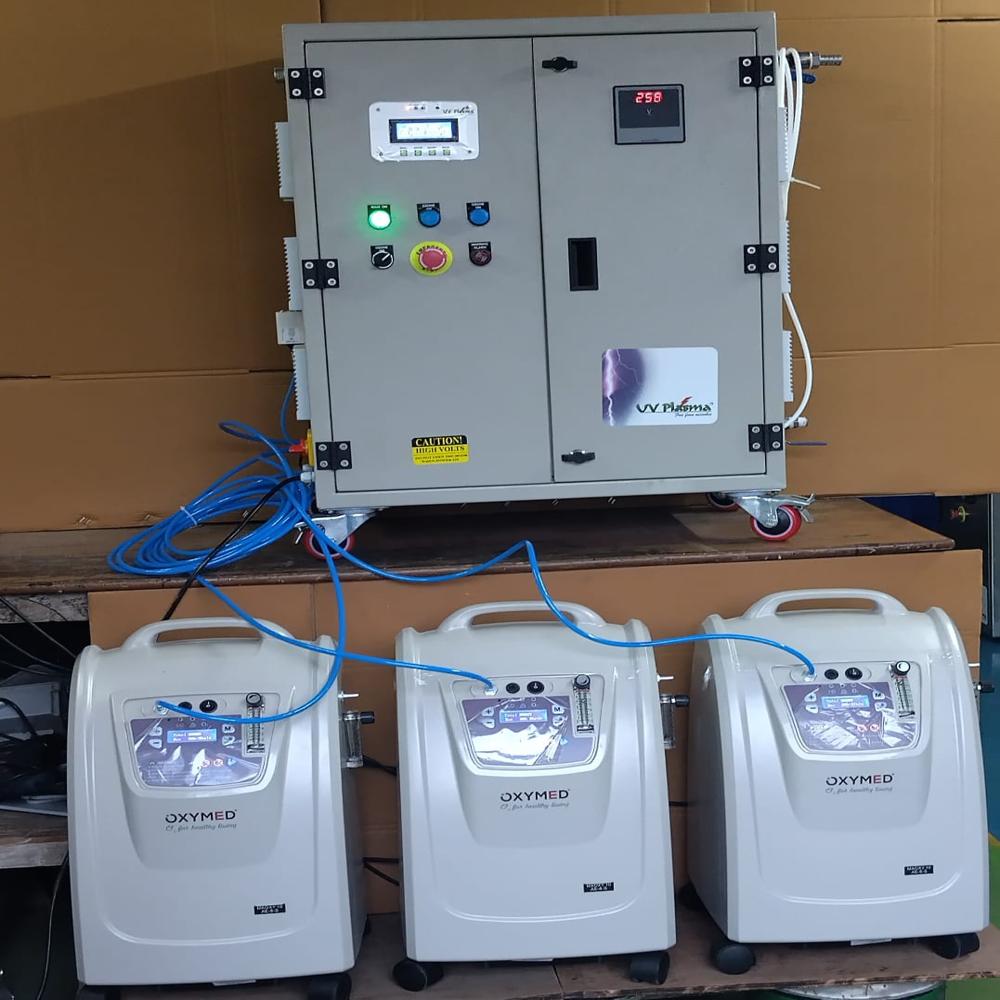
ozone generator
Price 10000.0 INR / Unit
Minimum Order Quantity : 1 Unit
Voltage : 220v
Features : Automatic operation, Digital display, Safety interlocks
Capacity : 1050 g/hr or customized
Material : Powder coated mild steel
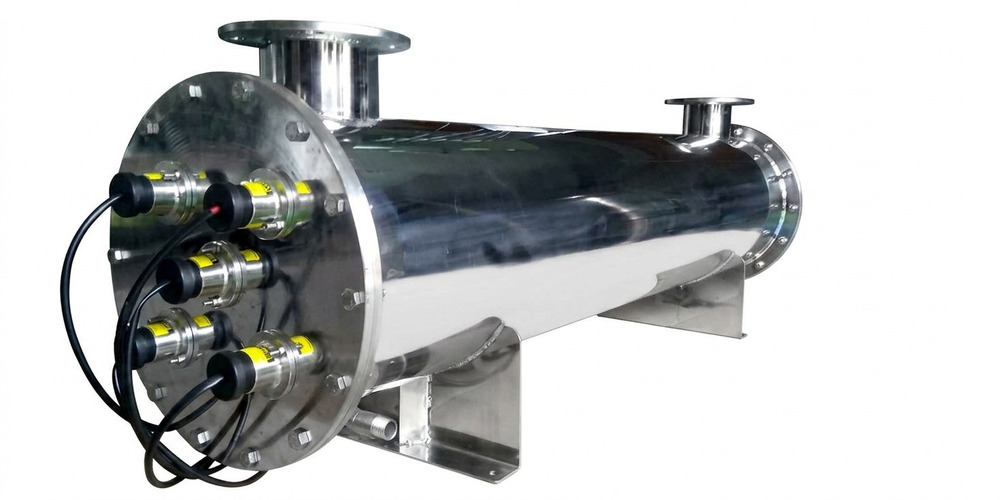
Water Treatment System
Price 15000.00 INR / Unit
Minimum Order Quantity : 1 Unit
Voltage : 230V / 415V
Features : Overload, Short Circuit, Gas Failure Protection
Capacity : Customizable (contact supplier)
Material : Other, SS 304 / SS 316

Contact Details
Shakunth Aqua Products
GST : 33AHAPP9775C1Z9
- Old 86/9a, New 30a, Vanagaram Road, Athipet, Ambattur Industrial Estate,Chennai - 600058, Tamil Nadu, India
- Phone :08037736578
 Send Inquiry
Developed and Managed by Infocom Network Private Limited.
